Picture credits: @jdsouder
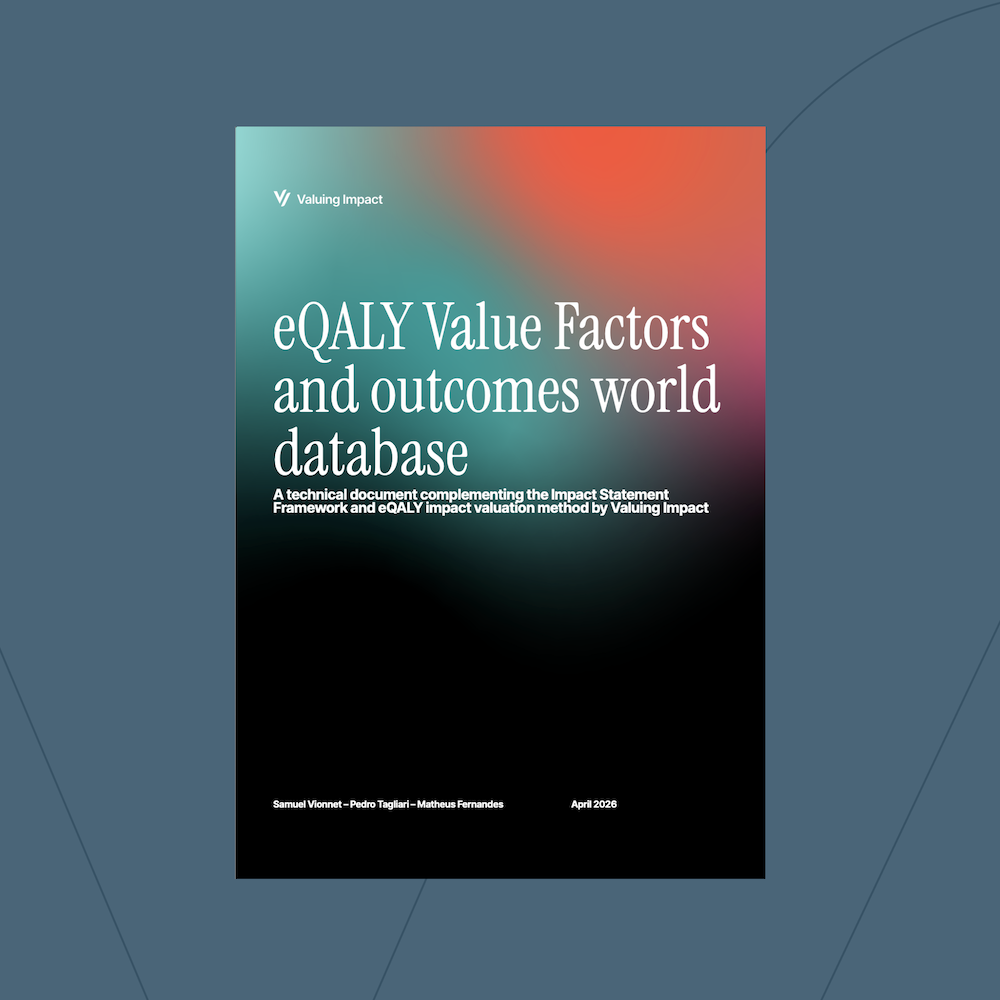
Download the societal value report in English and Catalan, as well as the Excel model, which provides a fully transparent analysis.
Introducing l'Àgora
In April 2026, we heard that a community space in Barcelona had been given an eviction notice, and we offered our support.
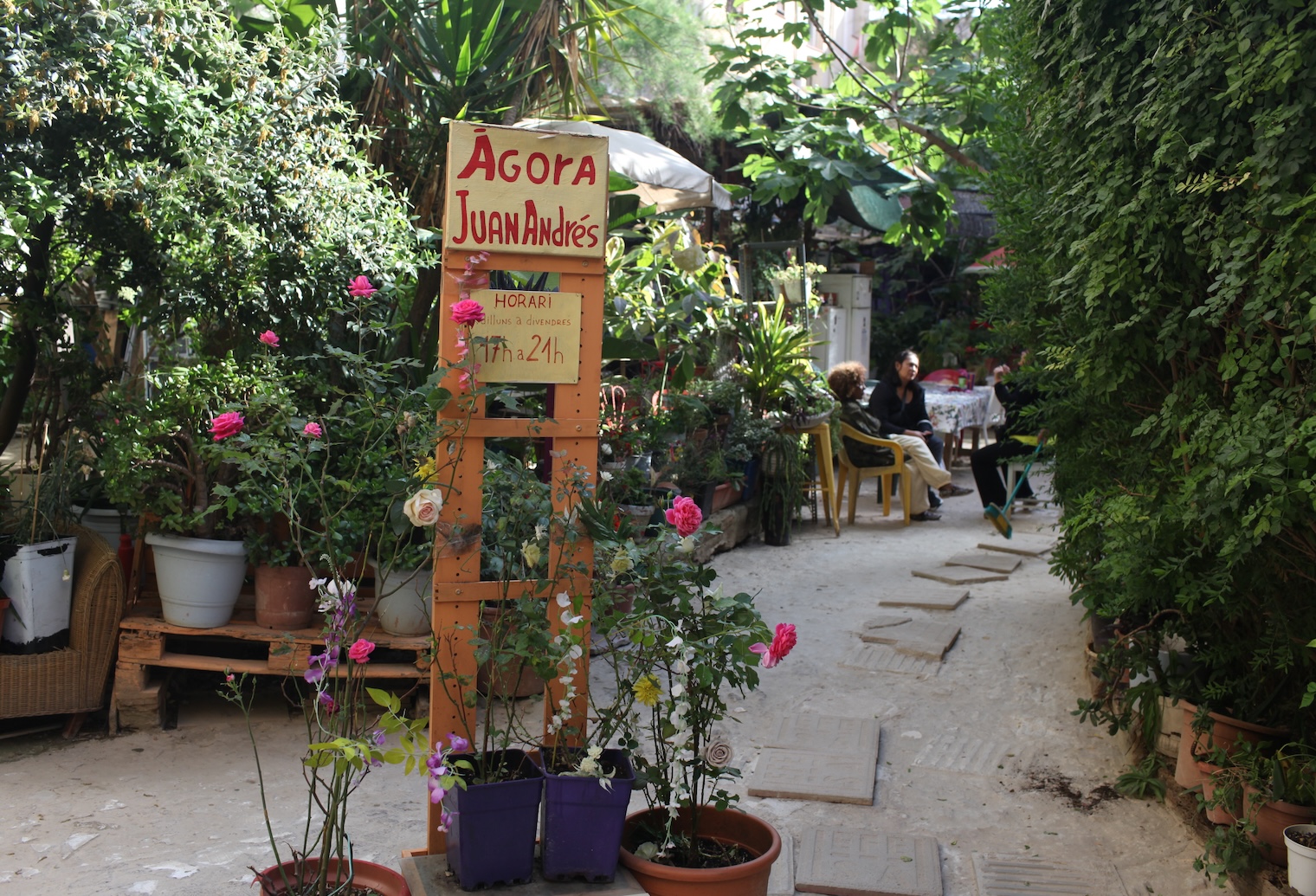
L’Àgora Juan Andrés Benítez sits on a 700-square-metre lot in El Raval, Barcelona, run by neighbours and the 150-plus collectives that pass through it, with no formal owner, no incorporated body, and no governing board. There is a kitchen and a garden, a playground, a stage, a pool table, and tables and open space for people to use. The people who make the most of this space include 150+ collectives, such as legal-aid, a women’s harm-reduction service, an informal childcare arrangement, support for vulnerable young people, as well as the rituals that hold a neighbourhood together, including the iftar in Ramadan, weekly assemblies, and weekly food for those who need it.
The eviction is scheduled for the 14th of May 2026, with the lot being disposed of as part of the wind-down of the Spanish state’s asset-management company, Sareb, the so-called “bad bank” set up after the 2008 banking crisis to absorb distressed real estate.
Valuing impact to support activism
The methodology that gets commissioned every day for corporate boardrooms can be turned the other way and pointed at the places like L’Àgora, rather than the company, and that is what was done here. The aim was to translate what L’Àgora enables into euros that the City Council and the public departments who would otherwise bear the cost would actually recognise.
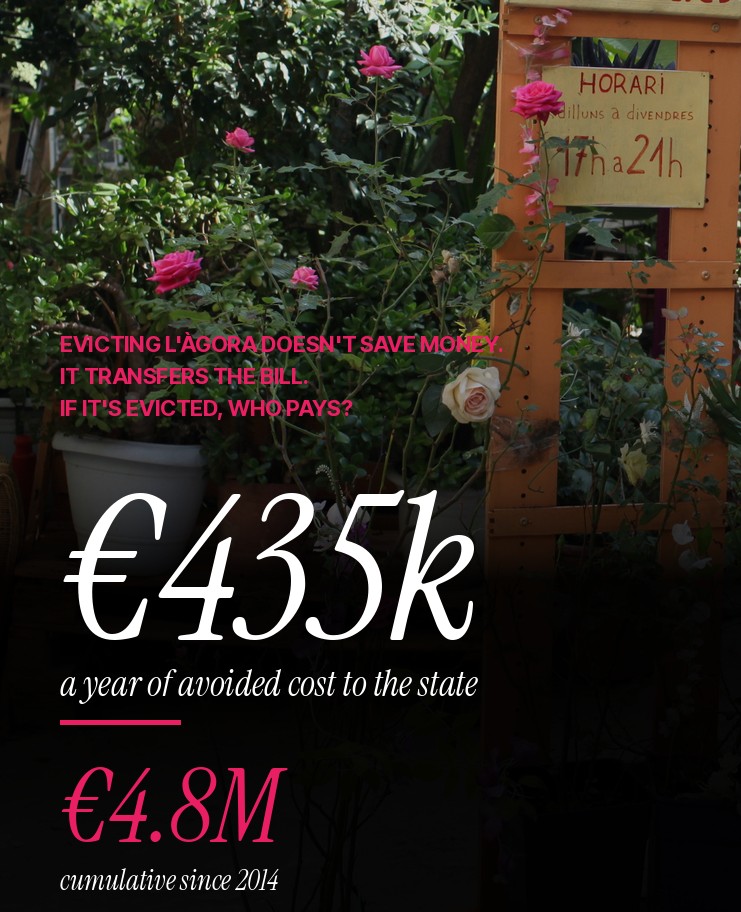
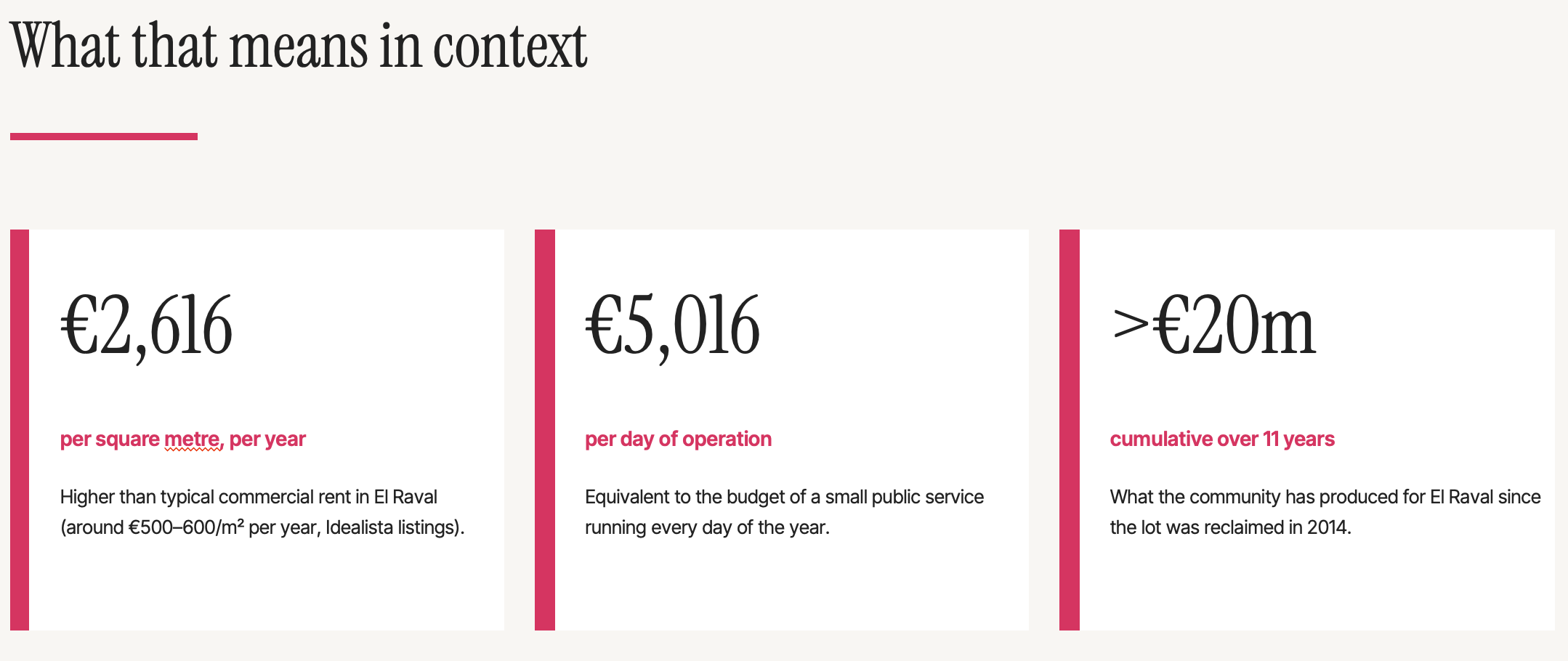
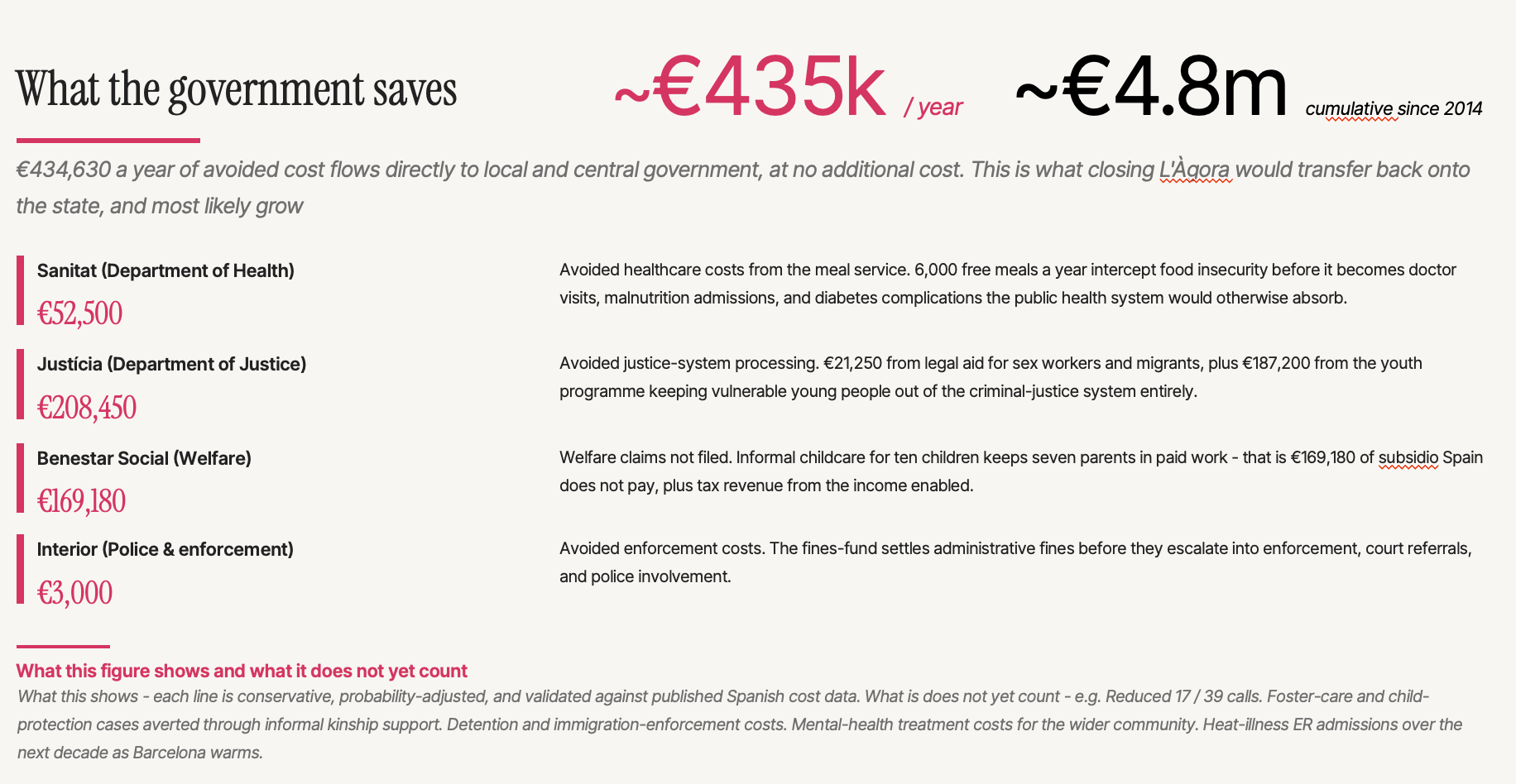
The headline figure is €1.83 million a year of social value across 42 measured pathways, of which around €435,000 is cost the state itself does not pay, including emergency-room visits avoided, welfare claims not filed, and criminal-justice cases that don’t escalate into court, amongst others.
Cumulatively, since the lot was reclaimed in 2014, the state has already been spared roughly €4.8 million in costs it would otherwise have absorbed.
What gets counted, and what doesn't
Most impact valuations get commissioned by companies, for boardrooms and ESG reports, and the methodology is well established and treated as standard practice by the UK Treasury, the OECD, the Capitals Coalition, and the International Foundation for Valuing Impacts.
There is, however, and asymmetry at play, in that the same tools are rarely turned toward grassroots organisations and the spaces that hold communities together without ever invoicing for it. When only one side of the table speaks the language of valuation in a world that is increasingly being quantified (the conversation about what should and shouldn’t be quantified, or creating an economy based on community and care rather than what can be counted aside), the other side might lose arguments before they begin, since a property developer can show its impact on a balance sheet while a community kitchen cannot, and the eviction notice arrives with the only number on it being the market price of the land it sits on.
The new enclosure
L’Àgora’s eviction sits inside a wider pattern, and that pattern is not Spanish, it’s increasingly global. For four decades, starting with the introduction of neoliberalism in the late 70’s, and accelerating sharply after 2008, the public sector across most of Europe has been hollowed out, with health, welfare, social housing and legal aid cut, contracted out, or made conditional. The state has not so much retreated as restructured itself, becoming smaller in what it provides and larger in what it polices.
Alongside the welfare state, the city itself has been put up for sale, with public space privatised or licensed out, public housing demolished or sold, and land traded as financial assets belonging to investment funds whose returns depend on the neighbourhood becoming something other than what it is. There is an older word for this, namely enclosure, the process by which British commons were fenced off and converted into private property between the 16th and 19th centuries, and the same logic is at work now, just with different instruments. What is left in marginalised neighbourhoods are the informal spaces communities that have always existed and that have also appeared to fill the gap – and even those are now being taken.
What the numbers can and cannot do
The €1.83 million figure is a floor, not a ceiling. The trauma recovery work that survivors of police violence do at the lot is not in it, the catalyst value of one organisation enabling another to form is not in it, and the slow building of solidarity across migrant, queer, women’s and labour groups is not in it either, and a study with more time would still leave most of what happens on the lot unmeasured. The number exists to support the human argument rather than replace it, since the case for L’Àgora is made by the people who use it, and their testimony has been carrying the weight for eleven years already. What the report does is translate one part of that testimony into a vocabulary the people deciding the lot’s future may be more receptive to.
What the report provides is another question. Evicting L’Àgora does not save the state €435,000 a year, but transfers the bill onto health, courts and welfare, and almost certainly grows it – so who pays once the eviction goes through?
Democratising the language of valuation
If impact valuation only ever serves the side of entities already holding resources, the result is a world where the only things that count are the things on a balance sheet, and where the spaces that often do the most for the least visible people receive eviction notices instead of recognition. The conviction behind offering our services here, and behind publishing the methodology and the Excel model openly alongside the report, is that the language of valuation should cut both ways. The same rigour applied to a company or a state-project can be applied to a 700-square-metre lot in El Raval, or to the thousands of similar lots across Europe whose value has never been recognised by the people and institutions with decision-making power.
Whether L’Àgora survives the 14th of May is now a political decision in the hands of others. The work of putting numbers on what is already invaluable is itself a form of solidarity, since it translates community value into the language of institutions and changes who can be heard, while the testimony of the people who built and used the space remains the part of the argument that no figure can substitute for. It helps prove the point that these spaces are not simply gardens, unproductive lots, or places that need to be developed, but a vital part of community and local infrastructure.
The full report and the Excel model are public and transparent.